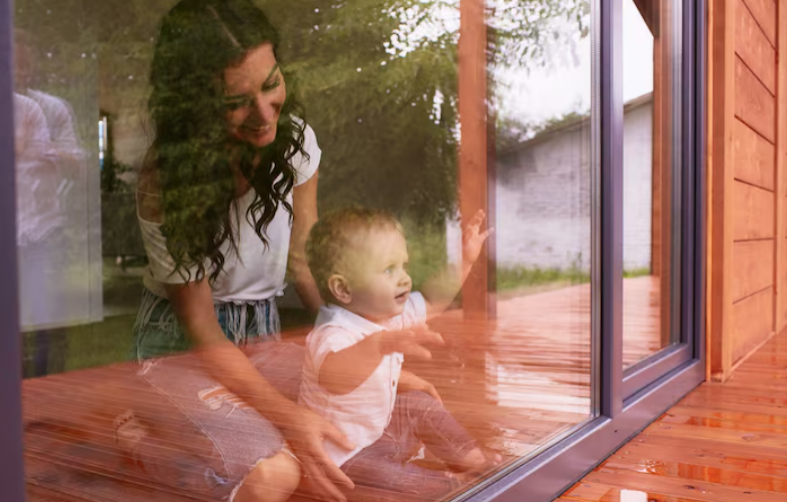
A screened porch can be technically perfect and still feel like nobody lives there.
The screens are in place. The roof keeps the rain away. There is plenty of seating. Yet something feels missing.
Usually, that missing element is personality.
The most inviting screened porches don’t look like outdoor furniture showrooms. They look lived in. There is a favorite chair by the window, a table that always seems to have a book on it, plants growing around the edges, and lighting that makes everyone want to stay outside after sunset.
That feeling comes from design choices that make the porch fit the household—not simply the house.
Give the Porch a Reason to Exist
Before choosing furniture, decide what this space is supposed to add to your life.
Maybe it is where you drink coffee before the rest of the house wakes up. Maybe weekend dinners happen there. Perhaps it becomes the place where teenagers gather, grandparents visit, or everyone plays cards after dinner.
Those details should influence the layout.
A porch built around conversation needs seating that faces inward rather than a row of chairs pointed toward the yard. A space intended for meals needs room for people to move around the table. A quiet retreat may need little more than one exceptionally comfortable chair and a place to put your coffee.
The strongest screened porch design begins with a habit, not a furniture catalogue.
Don’t Make Everything Match
Perfect coordination can actually make an outdoor space feel less personal.
Instead of buying an entire furniture set, consider mixing textures and shapes. Pair a comfortable sofa with individual chairs. Add a wood table beside woven seating. Use cushions or throws to introduce patterns that can be changed whenever you want a new look.
The same principle applies to décor.
A porch should have some evidence that people actually use it. A stack of books, a collection of plants, a favorite outdoor rug, or a small side table can make the room feel collected rather than staged.
You want guests to think, I could spend all afternoon here.
Design Around the Edges
The center of a screened porch is usually easy to figure out. The edges are where interesting design opportunities appear.
A narrow console can create a useful drop zone without taking up much room. Tall plants can soften corners. Built-in benches can provide seating while keeping the floor open. Shelving can display décor without adding bulky furniture.
These details make the porch feel finished without filling every available inch.
They also help a smaller porch feel less crowded because the center remains open for movement and conversation.
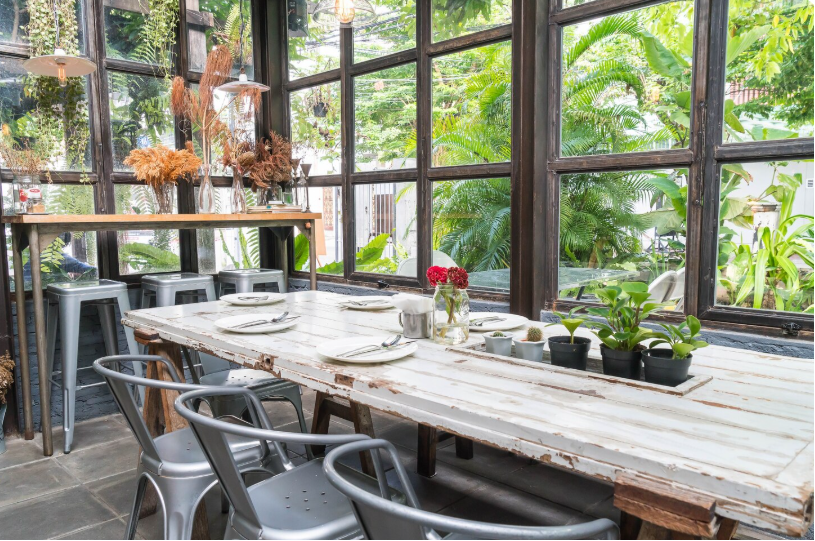
Let the Porch Change After Dark
A porch can have two completely different personalities: one during daylight and another after sunset.
During the day, natural light and the surrounding landscape may do most of the work. At night, lighting takes over.
Instead of relying on one bright fixture, use several smaller sources. A pendant above a dining table, subtle wall lighting, or decorative lanterns can create separate pools of light. The result feels warmer and more relaxed than illuminating the entire porch evenly.
And there is another benefit: thoughtful lighting keeps the porch useful long after the backyard disappears into darkness.
Bring the Backyard Into the Room
Screens create a boundary, but the design doesn’t have to.
Choose plants that visually continue the landscaping around the porch. Position furniture toward the most attractive parts of the yard. Use materials that complement the deck, patio, or garden rather than competing with them.
Even the view from the porch should be considered part of the design.
A flowering tree outside the screen can become a focal point. A garden path can draw the eye outward. A strategically placed planter can make the transition between built space and landscape feel almost seamless.
The porch starts feeling less like an enclosure and more like a comfortable pause between indoors and outdoors.
Leave Some Room for Real Life
Perhaps the most important design detail is empty space.
Not every corner needs furniture. Not every wall needs decoration. Not every surface needs something sitting on it.
Leaving breathing room makes the porch easier to move through, easier to clean, and easier to adapt. It also gives the space room to change as your life changes.
Because that’s ultimately what makes a screened porch feel like home.
It isn’t whether every detail looks perfect.
It’s whether you can imagine spending an ordinary Tuesday evening there—and genuinely enjoying it.
Create a Screened Porch That Feels Like Yours
At All Seasons Sunrooms, screened porches are designed around how homeowners want to experience their outdoor space. From the overall layout to the details that make the finished space feel personal, every choice can contribute to a porch that feels naturally connected to your home and lifestyle.
Request a quote now to start creating a screened porch that feels lived in, welcoming, and unmistakably yours.