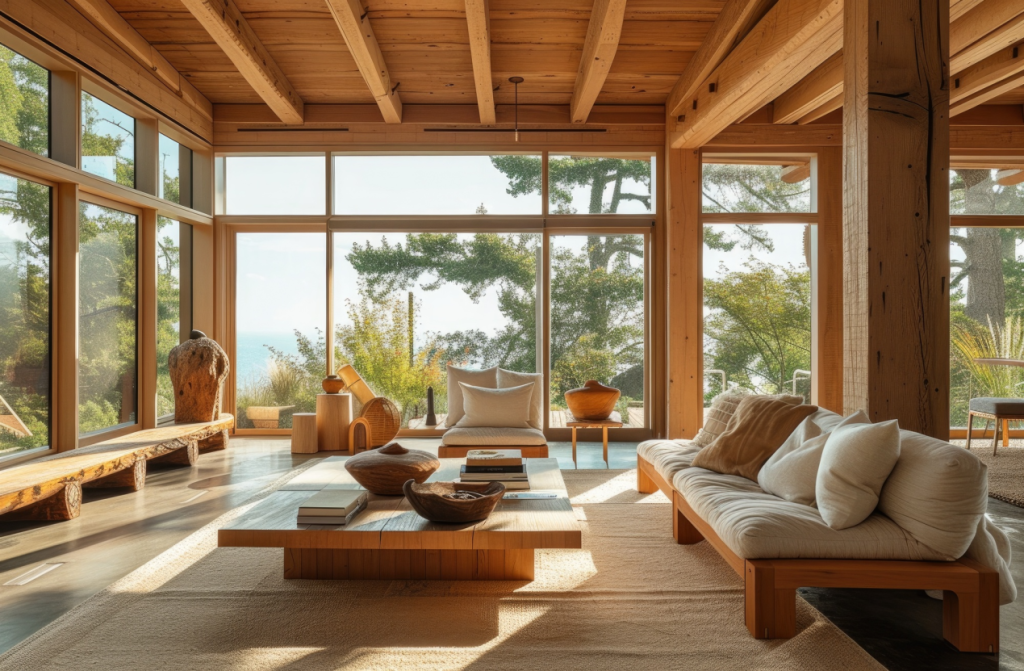
A sunroom should never look as though it was attached to the house simply because there was room for one.
The most successful sunrooms feel as if they were always meant to be there. They connect naturally with the home’s architecture, make sense with the backyard, and become part of everyday life rather than a space that looks impressive but rarely gets used.
Achieving that feeling comes down to custom sunroom design. Instead of starting with a standard layout and filling it with furniture afterward, thoughtful planning considers how the new space will interact with the home from the beginning.
Start Where the House Ends
Look at the area where the sunroom will connect to your home.
The transition matters just as much as the room itself. A doorway that feels awkward, mismatched materials, or an abrupt change in flooring can make the sunroom feel separate from everything around it.
A better approach is to think about the home and sunroom as one continuous experience. Consider the direction people naturally move through the house, where the best backyard views are located, and which existing architectural details should influence the new design.
The goal isn’t to make the sunroom identical to the rest of the house. It should complement it.
Give the Windows a Purpose
More windows do not automatically create a better sunroom.
Window placement should respond to what you want to see and how sunlight moves across the property. A beautiful garden might deserve a clear focal view. Morning sunlight may make one side of the room ideal for breakfast seating, while another area could be better suited to afternoon relaxation.
Think beyond the walls themselves.
A thoughtfully positioned window can frame a tree, garden, patio, or changing seasonal landscape like a piece of artwork. That makes the outdoors part of the room’s design rather than simply something visible through the glass.
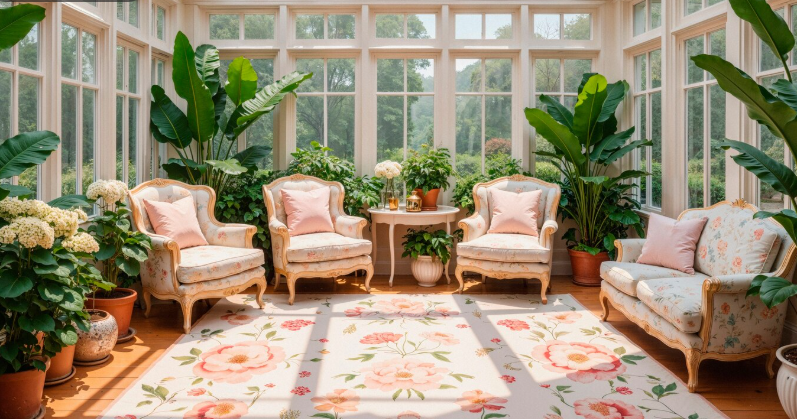
Plan the Room Around Real Furniture
One common mistake is designing the structure first and figuring out the furniture later.
Instead, imagine the room already being used.
Where will the sofa go? Can someone walk comfortably behind it? Is there enough room for a dining table if you want one? Where will guests sit? Will the furniture block the best views?
These questions help determine the right proportions and layout before construction decisions become limiting.
A sunroom should feel spacious without being empty. The right balance allows furniture to define different uses while preserving an open, comfortable flow.
Choose Finishes That Connect the Spaces
A sunroom can have its own personality without looking disconnected.
Flooring, trim, ceiling details, hardware, and other finishes can echo elements already found inside the home. Even subtle similarities create visual continuity.
At the same time, the sunroom offers an opportunity to introduce lighter textures, natural materials, or colours inspired by the surrounding landscape.
Think of the finishes as a conversation between the existing home and the new space.
Don’t Design It for One Moment in Time
Your sunroom should work beyond move-in day.
A room designed only for a dining table may become restrictive if your lifestyle changes. A space designed entirely as a lounge may eventually need to accommodate work, hobbies, or family activities.
Flexible layouts make the room easier to adapt. Leave enough open floor space to rearrange furniture and avoid permanent design choices that limit how the room can be used.
A successful sunroom grows with the household.
Make It Feel Intentional From Outside, Too
The exterior deserves the same attention as the interior.
The roofline, proportions, materials, windows, and connection to the backyard should feel appropriate to the existing property. Landscaping can further soften the transition and make the addition feel established rather than newly attached.
When viewed from the garden, patio, or street, the sunroom should look like part of the home—not an afterthought added years later.
Let’s Build a Sunroom That Belongs
At All Seasons Sunrooms, we approach every project with the goal of creating a space that feels naturally connected to the home. Thoughtful layouts, carefully considered windows, complementary finishes, and practical functionality all contribute to a sunroom that feels intentional from every angle.
Call today to get started on a custom sunroom design that feels like it has always belonged in your home.